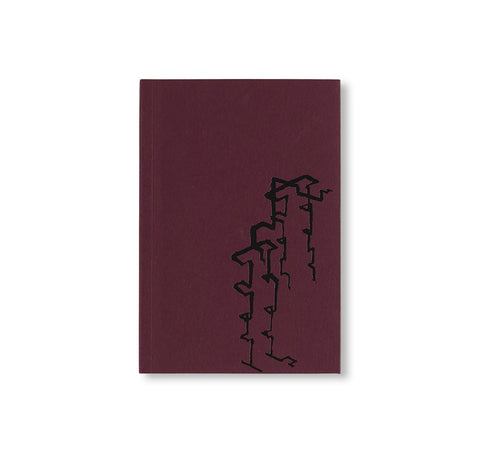
GEESTGROND by Antony Gormley
イギリス人彫刻家、アントニー・ゴームリー(Antony Gormley)の作品集。2026年5月から9月にかけてベルギーの「アントワープ王立美術館(Royal Museum of Fine Arts Antwerp)」で開催された展覧会に伴い刊行された。精神、心、息を意味する「geest」と、大地、土、基盤を意味する「grond」を組み合わせたこの題名は、物質と心を結びつけ、思考を物質的な形に根づかせる。この状態は、初期の鉛の身体ケースから、身体が最も非物質化された状態においてもそこにあり、大地に根づいたままである近年の彫刻まで、作者の作品を貫いている。
大陸ヨーロッパにおける、作者の作品の最も包括的な紹介となる本展は、美術館の歴史的コレクションと、アントワープの街との対話のなかで展開された。展示風景と、275点を超えるカラー図版、キュレーターのキャロリン・クリストヴ=バカルギエフ(Carolyn Christov-Bakargiev)による新たなエッセイ、広範な年表とアンソロジー、そして作者の身体の型取り技法についての初の学術的研究を収める本書は、「今日、人間であるとはどういうことか」と問う実践の、根源と、現在も続く意義をたどる。
This catalogue accompanies Antony Gormley's exhibition Geestgrond at the Royal Museum of Fine Arts Antwerp (23 May-20 September 2026). Combining geest (spirit, mind, breath) and grond (earth, soil, foundation), the title joins matter and mind, grounding thought in material form. This condition runs through Gormley's work, from early lead body cases to recent sculptures where the body remains present and grounded even in its most dematerialised states.
Marking the most comprehensive presentation of Gormley's work in continental Europe, the exhibition unfolds in dialogue with the museum's historic collection and the city of Antwerp. With installation views and over 275 colour plates, a new essay by the curator Carolyn Christov-Bakargiev, an extensive chronology-anthology, and the first scholarly study of Gormley's body-cast techniques, the publication traces the roots and ongoing relevance of a practice that asks: what does it mean to be human today?